
What every dog owner should know about Lyme disease and its risks
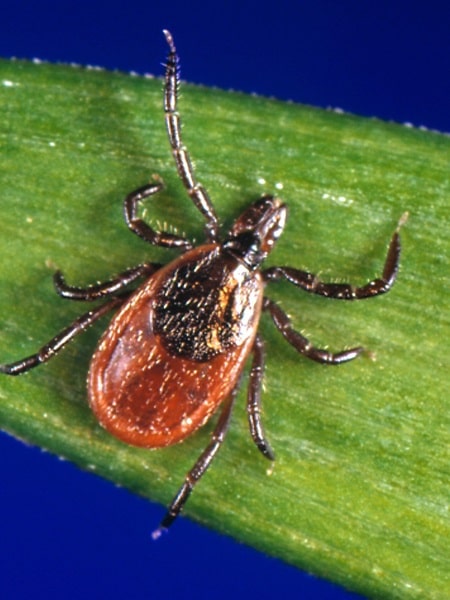
Tick‑Prevention Checklist
Use this quick checklist to help reduce your dog’s risk of tick bites and Lyme disease.
- Check your dog’s coat, ears, neck, belly, and between toes after outdoor activity.
- Remove any ticks immediately using proper tick‑removal technique or visit your vet.
- Keep grass trimmed and remove leaf litter where ticks thrive.
- Avoid tall grasses, brush, and wooded areas during peak tick season.
- Ask your veterinarian about tick‑prevention products suited to your dog’s lifestyle.
- Inspect yourself and your clothing after walks — ticks can transfer to people.
- Wash your dog’s bedding regularly and vacuum frequently.
Understanding Lyme Disease in Dogs
Lyme disease in dogs is caused by the bite of an infected deer tick. Deer ticks or black legged ticks can be found in Florida. From the time of infection to your dog showing symptoms could take as long as five months. By then the disease has spread throughout a dog’s body.
Recognizing the Symptoms
Symptoms include lack of appetite, weight loss, joint pain or stiffness, and general pain. Sometimes limping will move from one side to another, then disappear only to recur months later. A less common symptom but more troubling one is vomiting.
Prevention Is the Best Treatment
The best treatment is prevention. Check your dog for ticks and remove them immediately. If you are unsure how to correctly de-tick your dog, take them to your vet. Be careful, as people can be infected as well. If you live near a wooded area or hike regularly your vet may suggest a preventative product.
Treatment for Lyme Disease
Treatment for Lyme disease is a four-week regiment of antibiotics.
Learn More About Tick Removal
For more information on tick removal and Lyme disease click here.
Learn More About Keeping Your Dog Safe
Explore additional GRRMF resources to help protect your dog and support their well‑being.