
Does Your Retriever Need Us?
We are dedicated to saving dogs in need so if you must give up your retriever we are here to help. We know this is heartbreaking. Putting your pet’s welfare first sometimes means making the hard decision to give them up. Please do not take your retriever to a shelter or advertise them on Craig’s List; the potential home your dog may end up in is totally unpredictable should you take that action. We have a multiple step screening process for adoptive homes to ensure your dog gets a good home.
Listed below are the steps to submit information about your retriever:
- Fill out the Surrender Form so we learn more information about your dog. This information assists us in placing your dog in a foster home and ultimately their adoptive home. Please have two photos available when you complete the form.
- If you cannot attach the photos to the form, please email one or more pictures of your pet to intake@grrmf.org so we can verify your dog is a retriever or a retriever mix. Please put your dog’s name in the subject line and your full name in the body of the email.
An intake volunteer will acknowledge receipt of your request within 72 hours.
So what happens after you give your dog to GRRMF?
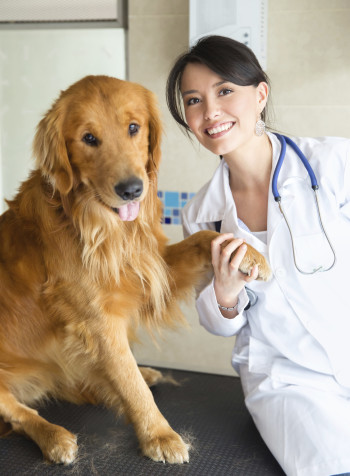
- Initially all incoming dogs go to our veterinarian’s office for a full exam. After finishing their veterinary workup, our dogs are immediately placed in a private foster home with a loving
 family that will care for him/her while an adoption is being arranged. We do not keep our dogs in kennels. We do not allow surrendering owners to foster their dogs until adoption because we need to assess their temperament and health prior to adoption.
 - GRRMF will take care of your dog until it is adopted no matter how long it takes to find a home to meet their important needs. No dog is ever euthanized because it is taking too long to find them a new home. We do not euthanize dogs without the advice of our medical professionals in order to provide humane treatment for our dog.
- Our confidentiality policy requires that we keep the identity of the new home private. We can, however, provide you information about how your dog is doing upon request.
Our program is made possible through adoption fees and donations. Adoption fees do not cover nearly all our costs for each dog. We realize that most families giving up dogs are not in a position to make a donation to help, so we do not require any donation when you surrender a dog to us. If you are in a financial position that allows you to make a donation that is a generous gesture. All donations are tax deductible.
Thank you for trusting us to take care of your beloved pet. If you have any questions, please contact us at info@grrmf.org.
Thank you,
Golden Retriever Rescue of Mid-Florida.